Which African Country Leads in Entertainment Industry?
Explore which African country stands at the forefront of entertainment. Discover the top contenders and what makes their industry thrive in this in-depth analysis.
The quest to determine which African country has the best entertainment industry begins by unveiling the continent's premier entertainment hubs. Africa, with its rich cultural diversity and artistic heritage, has seen several of its nations rise to prominence in the global entertainment scene. At the forefront, Nigeria's Nollywood, South Africa's multifaceted media industry, and Egypt's historic film sector stand out as dominant players.
In Nigeria, Nollywood is the second-largest film industry in the world in terms of output, producing thousands of movies yearly. Its influence extends beyond Africa, with a significant diaspora audience. South Africa boasts advanced production facilities and a thriving music scene, making it a go-to location for international film and television productions. Meanwhile, Egypt, with its time-honored cinema history, continues to be a cultural powerhouse in the Arab-speaking world.
As we delve deeper into the subject, we'll explore the factors that contribute to the success of these entertainment powerhouses. From government support and investments to technological advancements and the raw talent of artists, we will uncover the secrets behind their global appeal and regional dominance.
If you're intrigued by the dynamic nature of Africa's entertainment landscape and want to know more about its leading countries, visit our website to learn more and get started today! Click here.
Nigeria's Nollywood: An African Cinematic Powerhouse
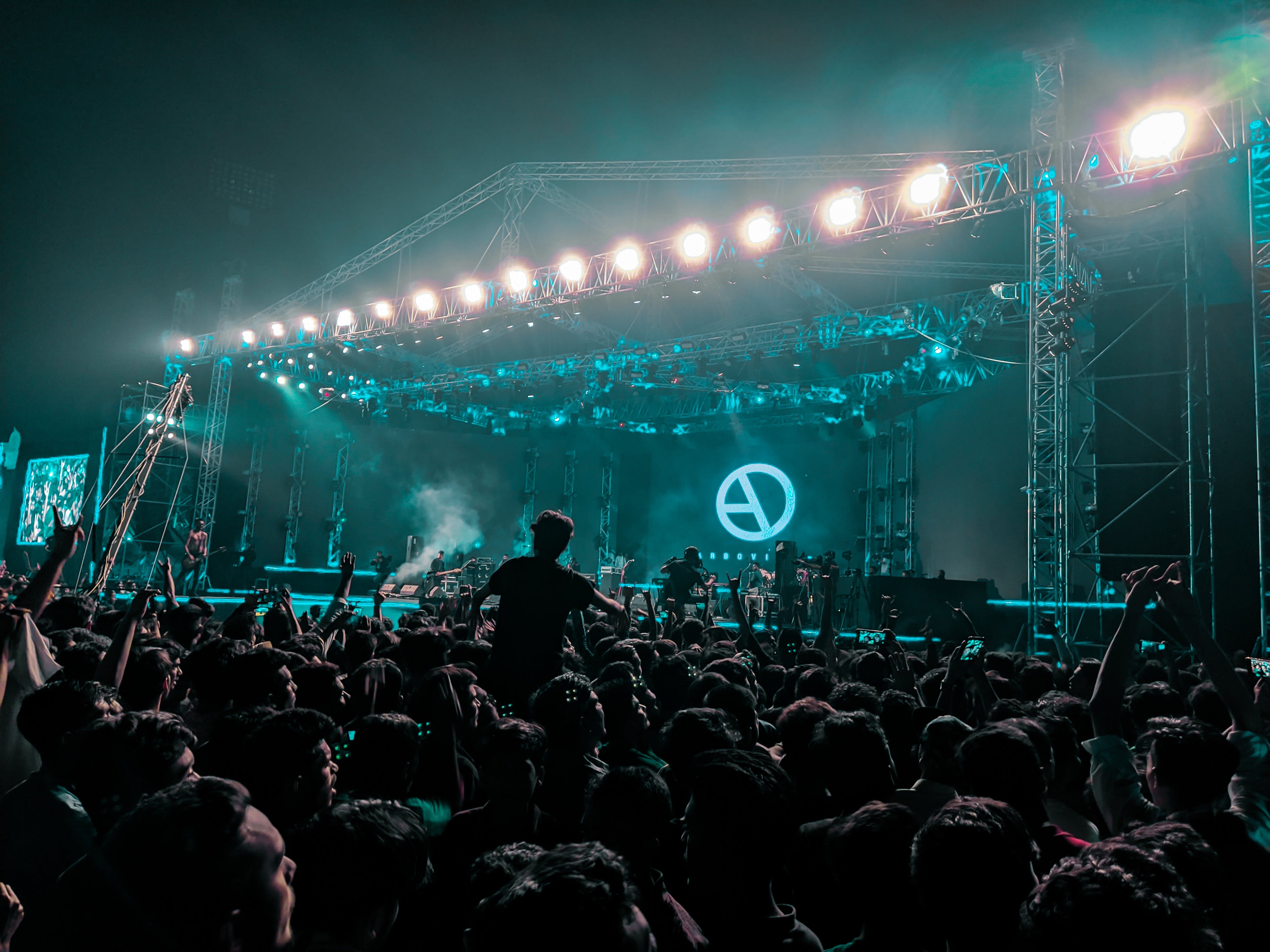
Nigeria's Nollywood has emerged as an undeniable force within the African entertainment industry, earning its reputation as a cinematic powerhouse. Its origins trace back to the early 1990s, and since then, Nollywood has experienced an exponential rise, churning out around 2,500 films per year. This volume not only surpasses Hollywood but also makes Nollywood the world's second-largest film industry by volume, trailing only behind India's Bollywood.
The success of Nollywood can be attributed to its unique storytelling, which resonates deeply with African audiences. The industry's films often tackle social issues, everyday life, and the complexities of love, tradition, and modernity, all of which are depicted through the lens of African culture and values. Moreover, Nollywood has perfected the art of low-budget filmmaking, ensuring a quick turnaround that keeps audiences constantly engaged with new content.
Technological advancements have also played a significant role in Nollywood's growth. The widespread adoption of digital filmmaking has lowered production costs and barriers to entry, allowing for greater experimentation and diversity in content. Furthermore, with the advent of streaming platforms and international distribution deals, Nollywood movies are now accessible to global audiences, further cementing the industry's international standing.
As Nollywood continues to push the boundaries of African cinema, it remains a beacon of inspiration and a testament to the potential of the continent's film industry. Its achievements are not only a source of national pride but also a catalyst for economic growth and cultural exchange across Africa and beyond.
South Africa's Media Landscape: A Blend of Innovation and Talent
South Africa's media landscape represents a fertile ground for innovation and talent, positioning it as one of the top contenders in the African entertainment industry. The country boasts a robust infrastructure that supports a wide array of media productions, from critically acclaimed films and TV series to groundbreaking reality shows and soap operas. It is this versatility and quality that have made South African media productions a staple on both continental and international platforms.
The South African film and television industry benefits from a highly skilled pool of actors, directors, and technical professionals whose creativity and expertise are evident in the content they produce. Coupled with the government's support in the form of incentives and subsidies, the industry has been able to attract foreign investment and co-productions, which have further spurred its growth and global reach.
What sets South Africa's media landscape apart is not just its high production values but also its willingness to explore diverse narratives. The country's complex history and cultural mosaic serve as a rich tapestry for storytelling that is both locally authentic and universally relatable. From the vibrant streets of Johannesburg to the captivating beauty of the Western Cape, South Africa offers an array of picturesque locations that add visual depth to any production.
Moreover, the rise of digital media and online streaming platforms has provided South African content creators with new avenues to showcase their work to a broader audience. This digital revolution has also empowered independent filmmakers and has encouraged a culture of collaboration and cross-pollination among African countries, contributing to a more interconnected and dynamic continental entertainment industry.
Egypt's Entertainment Legacy: Continuity Meets Modernity

Egypt's entertainment industry is a testament to its enduring legacy, seamlessly integrating its rich history with modern creative expressions. Renowned as the Hollywood of the Arab world, Egypt has long been a cultural powerhouse, producing films, television series, and music that resonate throughout the Middle East and North Africa. The Egyptian cinema, in particular, has a storied past that dates back to the early 20th century, making it one of the world's oldest and most influential film industries.
At the heart of this legacy is Cairo, a city that has been at the forefront of Arab cinema. The city's studios have witnessed the birth of classic films that continue to be celebrated for their artistic merit and storytelling prowess. Egyptian films are known for their unique blend of drama, comedy, and romance, often interwoven with social and political commentary that reflects the pulse of the nation.
In recent years, the Egyptian entertainment industry has embraced modern technology and global trends, adopting new filmmaking techniques and expanding into digital platforms. The rise of high-quality television series and online shows has opened up new possibilities for content distribution, allowing Egyptian narratives to reach an even wider international audience. This modernization has not come at the expense of Egypt's cultural identity; rather, it has enhanced the industry's ability to tell compelling stories that honor its heritage while engaging with contemporary themes.
The fusion of Egypt's historical continuity with modern innovation has also led to a renaissance in its music and theater scenes. Egyptian artists are pushing creative boundaries, experimenting with different genres, and gaining recognition on the world stage. This blend of tradition and modernity ensures that Egypt's entertainment industry remains a vibrant and influential force, both within Africa and beyond its borders.
Kenya's Creative Growth: Emerging Talent and Digital Expansion
Kenya is experiencing an exciting wave of creative growth that is propelling its entertainment industry forward. With a youthful population and a rapidly expanding digital infrastructure, Kenya is nurturing a new generation of talent poised to take the global stage by storm. The country's filmmakers, musicians, and content creators are leveraging digital technology to innovate and reach audiences far beyond their borders.
One of the most significant developments in Kenya's entertainment sector has been the rise of online platforms. Streaming services and social media have become instrumental for Kenyan artists to showcase their work, connect with fans, and monetize their content. This digital expansion is democratizing the industry, allowing independent creators to bypass traditional gatekeepers and gain direct access to the public.
Kenya's film industry, often referred to as 'Riverwood', is gaining momentum with an increasing number of local productions that highlight diverse Kenyan stories and experiences. These films and series often tackle pressing social issues, providing a voice to the underrepresented and fostering a sense of national identity. Moreover, the Kenyan government's support in the form of tax incentives and training programs is encouraging more investment and production within the country.
The music scene in Kenya is equally dynamic, with genres such as Afro-pop, gengetone, and Kenyan hip hop gaining popularity. Kenyan artists are not only pushing creative boundaries but also using their platforms to influence social change and engage in cultural diplomacy. As the world takes notice, international collaborations and participation in global festivals are becoming increasingly common, further solidifying Kenya's place in the international entertainment arena.
Assessing the Impact of Music and Dance across Africa
Visit our website to learn more and get started today! Click here.
Across the African continent, music and dance are not just art forms but are integral to the cultural fabric and social dynamics of communities. Assessing the impact of these expressive mediums reveals how deeply they contribute to identity, storytelling, and social cohesion. African music and dance have transcended local boundaries to influence global music scenes, from Afrobeat's international appeal to the infectious rhythms of Congolese rumba.
In countries like Nigeria and South Africa, music has become a significant export, with artists like Burna Boy and Sho Madjozi pushing the boundaries of traditional sounds to create global hits. The dance styles accompanying these musical innovations often go viral, creating a cultural ripple effect seen across social media platforms worldwide. These phenomena not only entertain but also promote cultural exchange and understanding.
Beyond entertainment, music and dance serve as powerful tools for education and social change. Through engaging lyrics and compelling performances, artists have addressed issues such and injustice. Choreographed dance movements also become acts of protest and empowerment, offering a voice to communities and inspiring collective action.
As the global community becomes increasingly connected, the African entertainment industry's role in shaping cultural narratives and trends continues to grow. It is a testament to the continent's ability to innovate and affect change through the universal language of music and dance. The vibrancy of the African entertainment scene is a beacon that highlights the continent's rich heritage and its influential position on the world stage.