10 Tips on How to Make a Script for a Short Film

Few filmmakers can claim they don't feel nervous before a film shoot, but when the cameras and actors are in place it's easier to let the nerves go.
This is when the director can let go of control and just focus on guiding the story and the action of the film.
This is the first in a series of articles dedicated to guiding you through the writing, directing, and editing process of making a short film.
I’ll be giving ten tips on how to make a script for a short film, if you're feeling nervous, or simply wish to improve your skills as a writer and director.
1. Determine the best structure for the story
The structure of the script should be dynamic and always driving the story forward, always drawing the audience in.
If you like cliffhangers then this is the type of structure for you. If you like a linear narrative, you might want to think about how you can open up the story or add a new angle to the story.
2. Don’t assume that writing the script means the story is done
Storytelling is also acting. The more you engage the audience and tell a good story, the more effective your script will be.
Screenwriting is a collaborative process, so trust in the producer or other members of the creative team.
Ask for feedback and incorporate it, asking for their suggestions on what might work, and how you could adjust it for your needs.
3. Minimize the dialogue
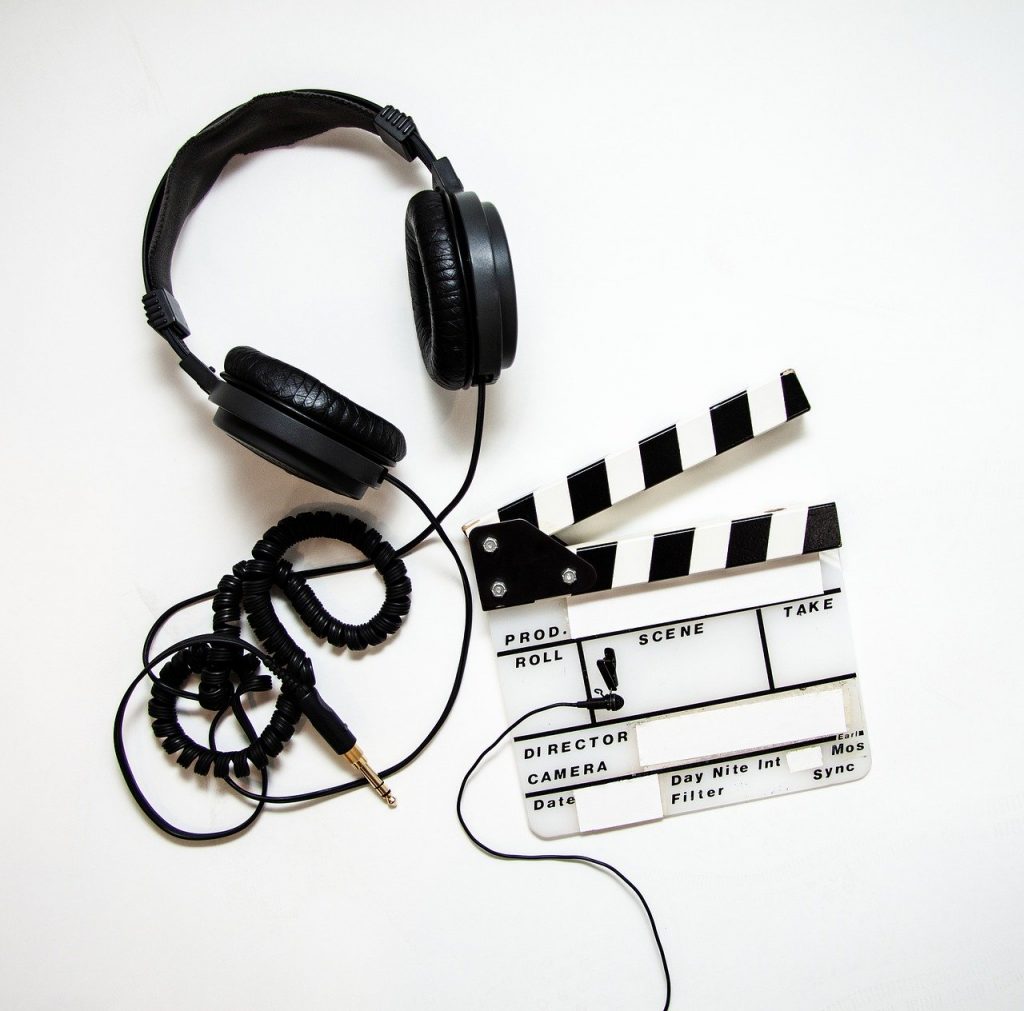
Don't get in the way of the action. An old rule of screenwriting was to cut 50-60% of dialogue from the screenplay.
For your screenplay to work as an experience, it should be clear who is speaking, when they are speaking, and what they are saying. Focus on making the dialogue clear, distinct, and natural.
4. Make a bare-bones skeleton of your story
What’s the basic premise of the film? What are the main elements of the plot?
Start by writing down the scene descriptions, establishing the setting, and the cast.
Once you've done this, bring your story down to just one page of outline, and consider what will happen in each scene.
5. Avoid using overwrought metaphors or similes
The script is just a stage set for the film. Don't get too literal or too poetic.
6. Keep the focus on character and action
Think about what really engages the audience, what they really want to see, and what will truly move the story forward.
Characters should have issues, desires, secrets, conflicts, and more. Action should be constant and interesting.
Make sure the camera never sits still for too long, and even if you have a lot of material, cut only as much as absolutely necessary.
7. Learn to break the rules
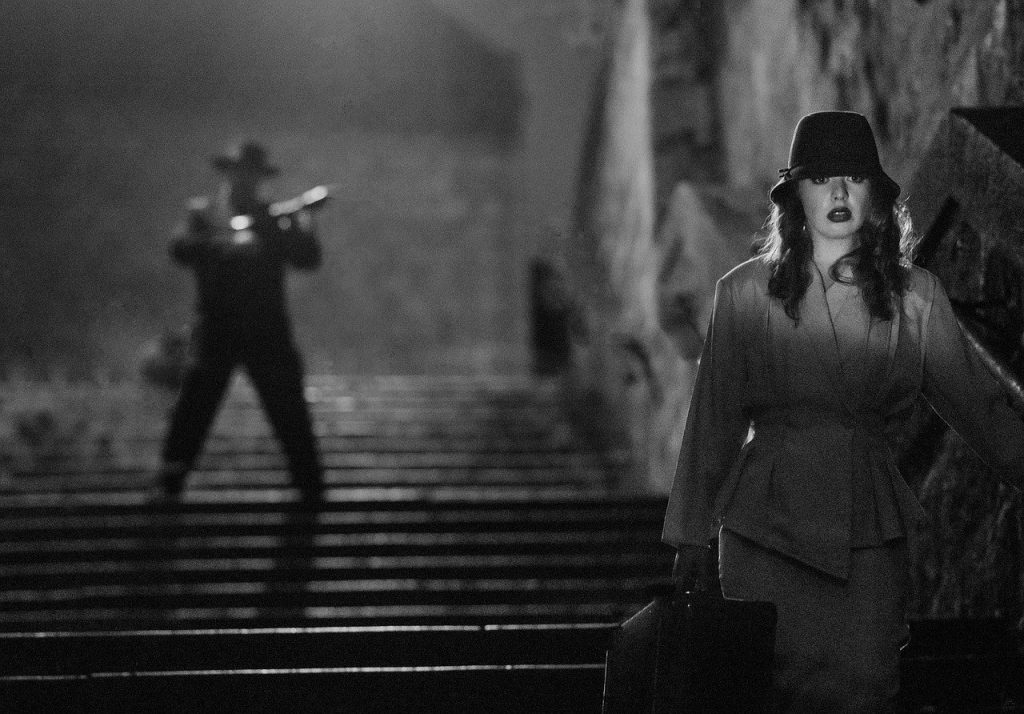
The good thing about writing a short screenplay is that you don't have to worry about tonal issues.
This is also where writing is much more creative than filming.
You can take liberties and break rules you might not normally take in a feature-length film.
8. Don't compromise on your vision for the film
On your writing binder or computer, make a visual map of the film. Make it clear to everyone what the script is about, what each scene is about, and how it's going to work.
The scene description can help you focus your thoughts, but be aware of each scene's narrative and structure.
9. Show rather than tell
Movies are first and foremost visual experiences. We are creatures of cinema. The more you can visually show the audience the story, the better.
10. Make your script as action-packed as possible
The more exposition there is in your script, the less engaging the audience will be.
The less you explain the character's motives, the more you are letting the audience's imagination fill in the blanks.