Tarun Kumar Potluri on LA's Urban Planning Challenges
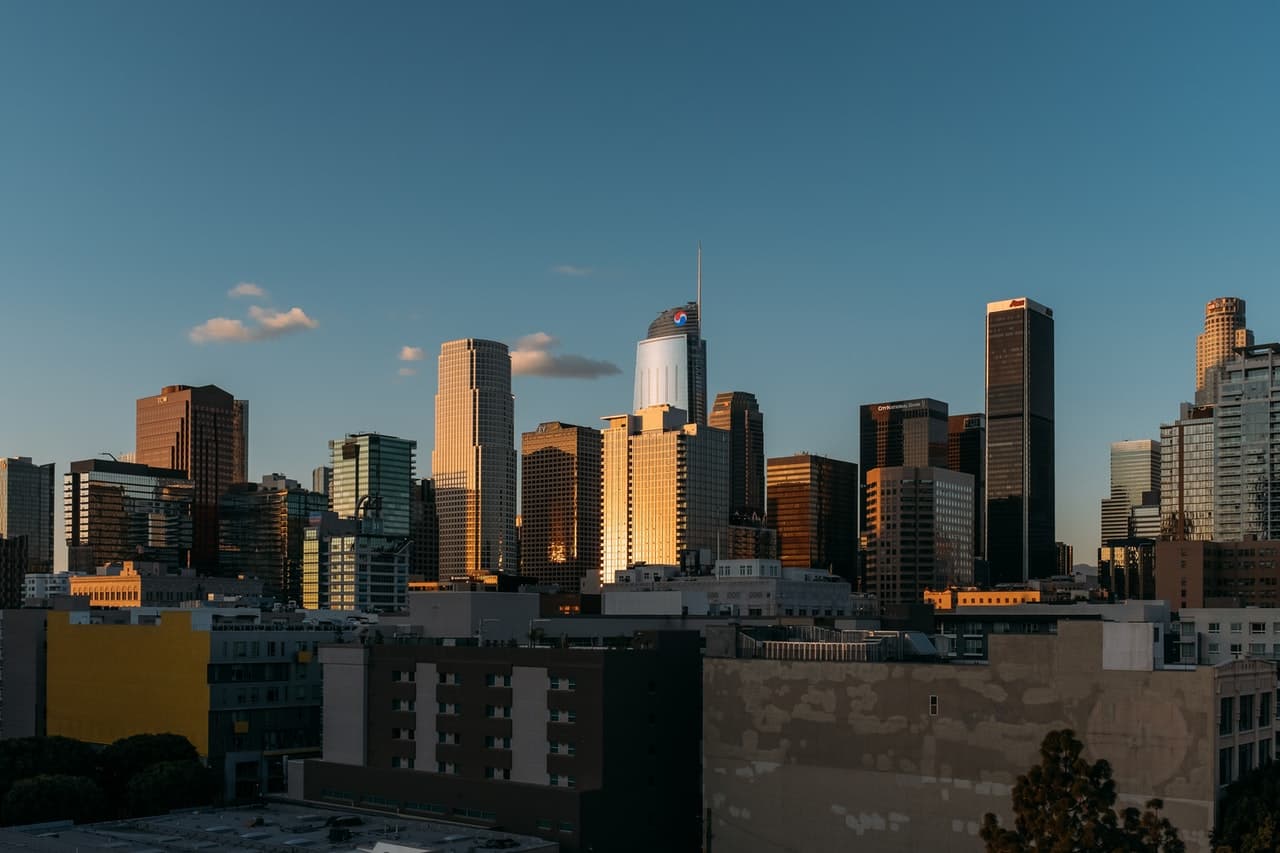
Los Angeles has a fascinating history when it comes to urban planning and land use.
Dramatizations such as the legendary film Chinatown have covered the complex process of re-routing water to the city to serve a rapidly growing population.
A once-robust light rail transit system all but disappeared as roadways and freeways came to dominate the city's transit structure. Currently, the city is investing heavily in the expansion of its public transportation via subway routes.
The layout of LA is defined by sprawl, and even long-term Angelenos struggle to identify LA's city center, whereas many other major American cities are more well-defined in the minds of residents and non-residents alike.
For urban planning professionals and historians, this unique history sparks compelling discussions about the current state of the city and how it might change, how it should change, in the years to come.
We had the pleasure of speaking with the expert architect and urban planner Tarun Kumar Potluri about sustainable design and planning, as well as many of the specifics of LA's urban planning needs, and we're excited to share Potluri's comments with our readers. Let's get into it.
Tarun Kumar Potluri, Architect and Urban Planner
Growing up in a small town in India, architecture and urban planning weren't exactly common career paths, but Potluri was always a careful observer of how communities function and the role that buildings and planning played in day-to-day operations.
During the final year of his undergraduate studies, Potluri worked with a group of students on a master planning concept for the capital city of Amaravati. This was his formal introduction to the study of urban planning, and Potluri has continued to combine considerations of architecture and urban planning in his work, recognizing that the two disciplines are unavoidably linked.
With two master's degrees in hand, Potluri has gone on to work as an architect and designer on many different projects, including residential community projects in Bangalore with VBT Consortium and single-family residential projects with Nandu Associates. He also worked as the project designer on a mixed-use housing project in Bentonville, Arkansas.
Potluri has also been a strong proponent of coastal parks for their many practical benefits, but we'll save a more in-depth look at coastal parks for later in the article.
For the purposes of this article, we asked Potluri to turn his attention to the city of Los Angeles and its many architectural and urban planning challenges.
To start out, let's define some of those challenges in more detail.
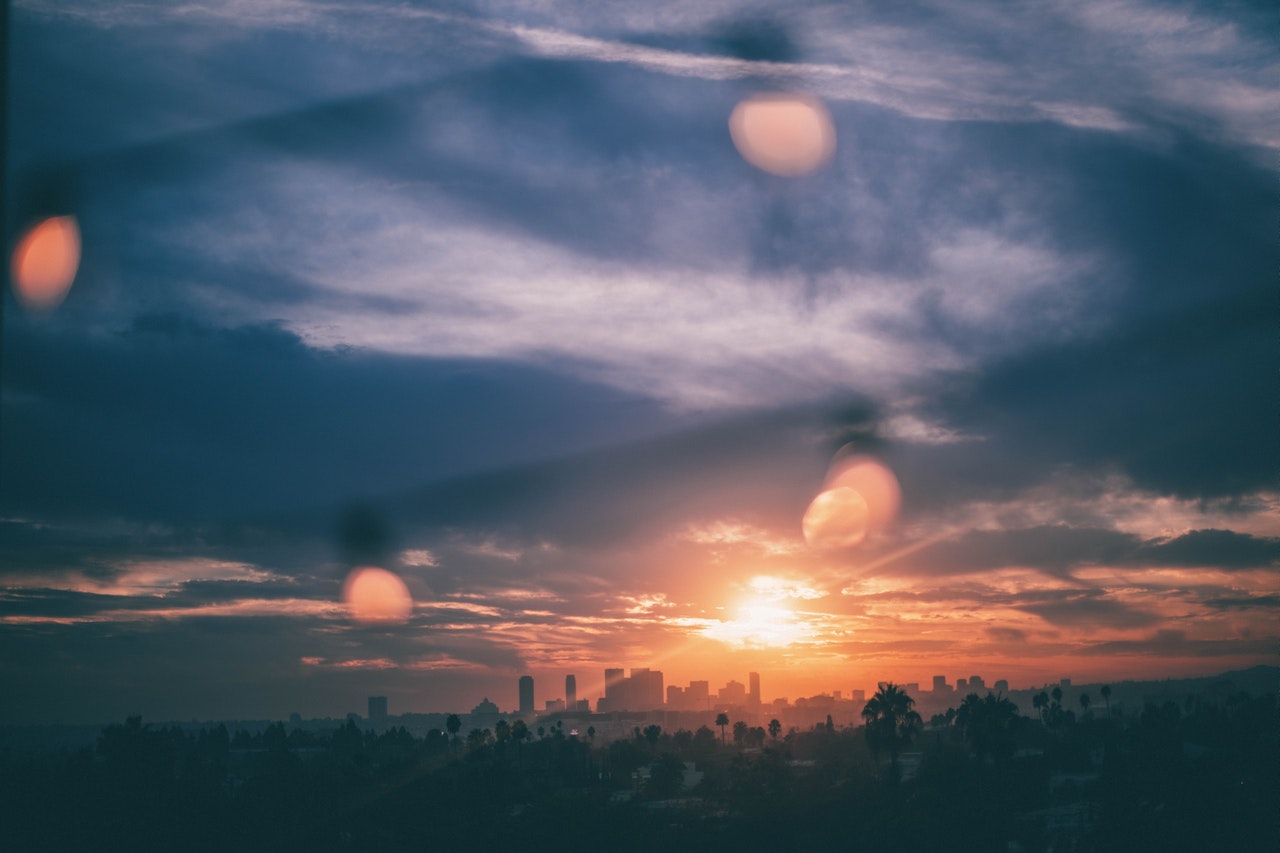
Big city, big challenges
Los Angeles has pretty much always been a large city compared to other metropolitan areas throughout the United States, both in terms of population and square mileage. Today, LA boasts a population of approximately 3.9 million and an area of ~469 square miles.
Perhaps because of its long history of managing large populations, LA has actually made some major contributions to urban planning, especially during the 20th century, as Potluri pointed out.
The first comprehensive street plan was developed in Los Angeles back in 1921. LA also had the first regional planning commission, which was established in 1922. A general development plan was released in 1962, which helped to plan for efficient traffic flow and transportation patterns.
However, despite all this planning and apparent foresight, rapid population growth remains a key driver behind many of the challenges that the city is currently facing.
LA is a very popular place to live for multiple reasons. LA is still the largest media hub in the world, attracting a constant flow of on-screen and production talent. Southern California also features desirable weather, as current Angelenos already know.
But with so many people coming into the city every year, the city struggles to function efficiently. Dense traffic is a notorious problem in LA, so well-known that it's become part of the city's national and international identity. In addition to inflating transportation time, traffic can of course also cause both air and noise pollution, both of which can negatively impact quality of life in the city.
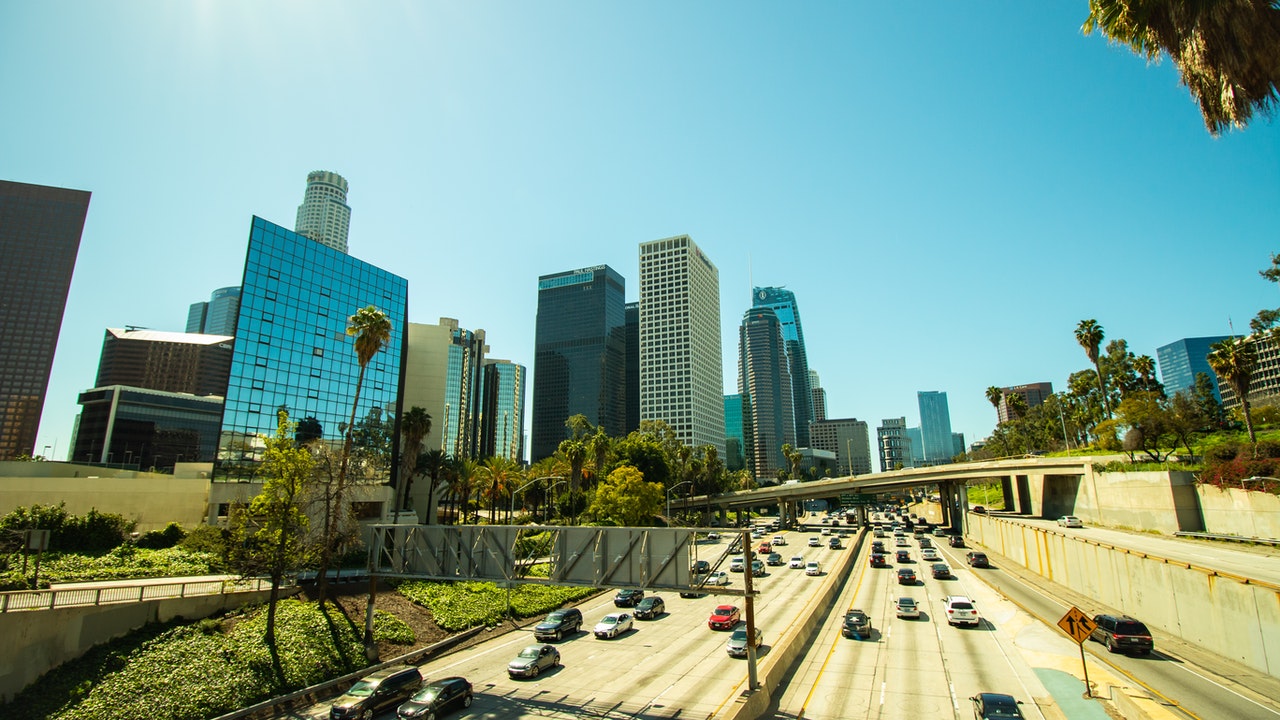
Beyond traffic, LA also struggles with climate change and a lack of affordable housing.
A big part of urban planning is recognizing that challenges like these don't have simple solutions. Each decision will have rippling consequences across many neighborhoods and city-wide systems.
Potluri gave us just a small sample of how these problems are interconnected.
"New housing developments may face equity issues for the minority population. For example, if the construction of new housing provides homes for people in need, it could also lead to an increase in traffic, which then causes other problems."
This interconnectedness can make many cities, but especially LA, a major challenge for urban planners, and that's why every decision needs to be weighed against the possible outcomes.
Still, a general consensus among many urban planners is that sustainable design choices not only lead to positive change in the short term but in the long term as well.
Now let's look at some of the design decisions that could lead to net gains for the city of LA.
Mixed-use
You might already be familiar with the term 'mixed-use.' It's been part of architectural and urban planning discussions for years now, and it's even made its way into the mainstream press.
At a basic level, mixed-use design refers to letting a single building or complex serve multiple functions. So instead of an apartment building being purely residential, it might have a cafe or gym on the ground floor that's open to the public.
Mixed-use exists in stark contrast to what's known as Euclidean Zoning. In Euclidean Zoning, pieces of real estate are zoned under a single-use, such as residential, commercial, or industrial.
But Euclidean Zoning can lead to many different problems, not the least of which is that even a small store or home takes up quite a bit of space, preventing that space from being used for anything else. It can also result in sprawl. A massive residential neighborhood isn't self-sufficient; residents need to travel a significant distance to reach a commercial zone to do their shopping.
Mixed-use design can be an excellent solution for dense population centers, as it contributes to neighborhoods with internal variety, which can be more convenient for residents, increase foot traffic for businesses, and generate a lively atmosphere.
Potluri explained that mixed-use development has been steadily increasing here in the US.
"Millennials and baby boomers are now relocating to urban cores, seeking more compact, walkable, and less auto-dependent lifestyles. This rapid increase in the urban population has motivated the development of mixed-use buildings. Uses often include residential, hotel, retail, parking, transportation, cultural, and entertainment zones."
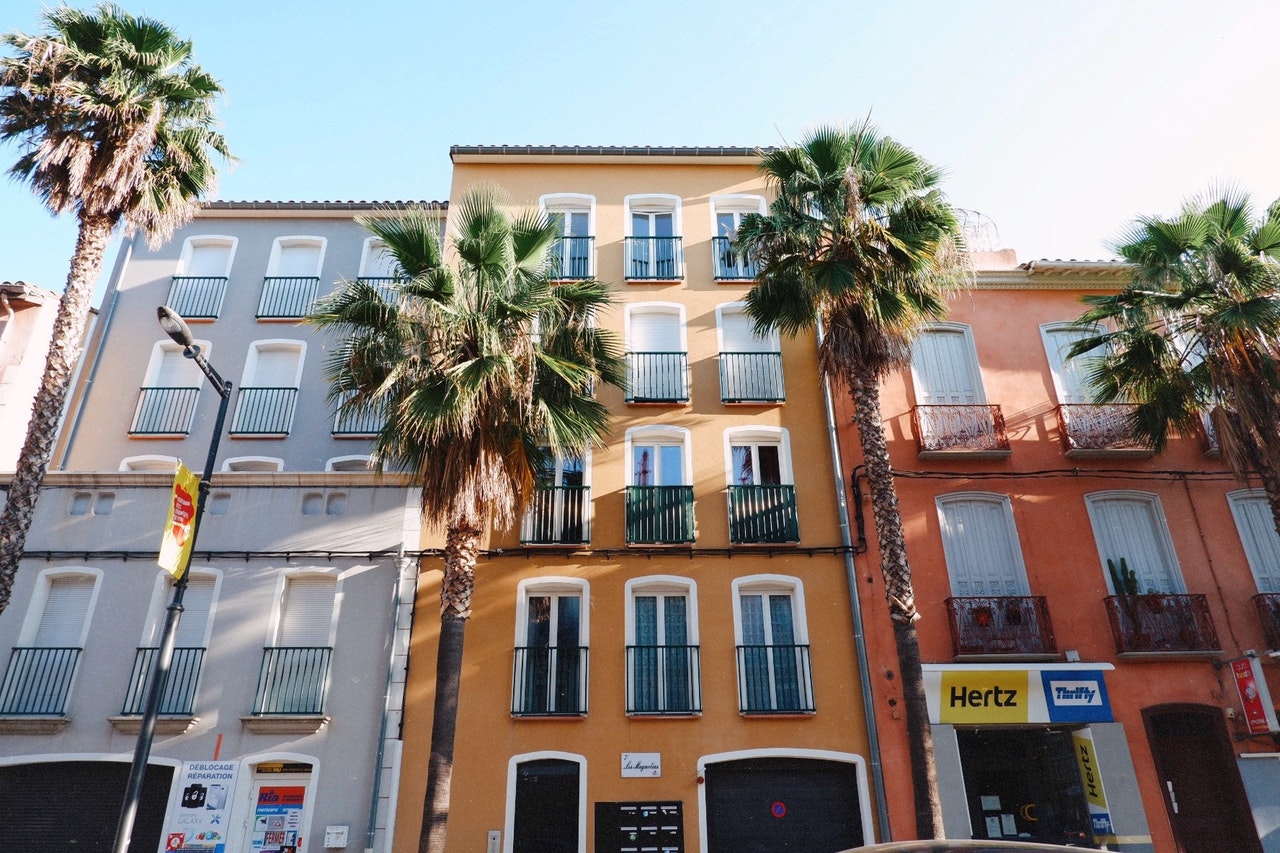
As we've already touched on, the benefits are numerous. Neighborhoods and even specific streets can develop a sense of identity and make it much easier for people to make use of public transportation.
"Mixed-use environments unlock the possibilities of a diverse urban lifestyle and breathe new life into cities. Mixed-use spaces can renew life in many parts of the city and in turn enhance security in public spaces for disadvantaged groups. These mixed-use developments also encourage socioeconomic and racial integration."
Encouraging a variety of not only building uses and resources but also of social class, economic class, profession, and personal background has long been a goal of progressive urban planning minds, going all the way back to Jane Jacobs's seminal work The Death and Life of Great American Cities, in which Jacobs argues that diversity of all kinds promotes healthier communities.
As for how mixed-use development applies to Los Angeles specifically, Potluri sees a clear desire for mixed-use as well as a number of successful cases.
"People here, mostly the younger generations, are very open to the concept of mixed-use buildings. Also, the increased traffic and commute times are now pushing the city to look into solutions like these. Already, there are a few such buildings working very well downtown. There are also a huge number of proposals around Koreatown, etc. in the heart of LA."
Wide-scale adoption of mixed-use development could drastically alter the feel of many LA neighborhoods for the better, and distinct identities for each neighborhood could even encourage residents to explore different neighborhoods.
But in terms of everyday needs, residents would be able to handle more errands within their own community rather than traveling to massive commercial centers that are both unpleasant and inconvenient.
Coastal parks in LA?
Another compelling development concept that's certainly relevant to Los Angeles is coastal parks.
In other areas around the United States, Potluri has explored the viability of coastal parks as a way to provide enjoyable spaces for residents while also potentially mitigating the effects of climate change, not the least of which is sea-level rise.
Los Angeles's sea level has increased by 2.5 inches over the last 50 years, and as this problem worsens, it poses a major threat to the city and even the entire country due to the coast's immense value when it comes to trade, commerce, and infrastructure such as wastewater treatment plants and power plants.
A short-term solution for sea-level rise is the use of seawalls, but these are expensive to build and maintain, and they only serve as a temporary fix.
Waterfront coastal parks, on the other hand, serve as parks and natural habitats that can protect cities from flooding.
Natural barriers against flooding include natural ecosystem elements, such as dunes, tidal marshes, and coral reefs. Coastal parks would add to this line of defense, designed to include different levels of elevation and vegetation, preventing water from entering a city.

Coastal parks could also help beautify a city, offer recreational spaces, and bolster the city economy by attracting tourists.
But these parks aren't a guaranteed fix, as Potluri explained, and implementing them in the Los Angeles area would require a great deal of research and planning.
"The usage of natural habitats and designing coastal parks as a solution is only feasible depending on the existing conditions of the city's coast. An extensive feasibility study would have to be done to analyze the economic, ecological, and social impacts before introducing the concept of natural habitat and coastal parks to the coast of Los Angeles."
Moving toward sustainability
So many of the concepts we've talked about in this article orbit around the idea of sustainability. Sustainability is worthy of its own discussion, but in short, the goal is to make major cities like Los Angeles livable and efficient for current and future generations.
Achieving sustainability is a massive task, and it requires innovative thinking on absolutely every level and then applying these ideas to every possible city system.
So how does Potluri see Los Angeles's efforts in this area? Well, he sees a lot of positive plans and changes, many of them emerging from the Green New Deal.
"The City of Los Angeles is working hard on promoting sustainable design. In 2019, it proposed a sustainable city plan called the Green New Deal. This plan focuses on environmental justice, renewable energy, local water, housing, public transit, and waste and resource recovery, among others."

The deal details many specific goals for improving public transit, reducing emissions and energy usage, more effective reclamation of resources, and much, much more.
These sustainability efforts aren't just for the sake of progress, they're necessary for the survival of major cities. It will be fascinating to see how these changes are implemented in the coming years, and in the meantime, we hope these insights into urban planning will give you a different perspective on your street, your neighborhood, and all of LA.