Luciana Salinas on Making Room for Increased Diversity in the Entertainment Industry
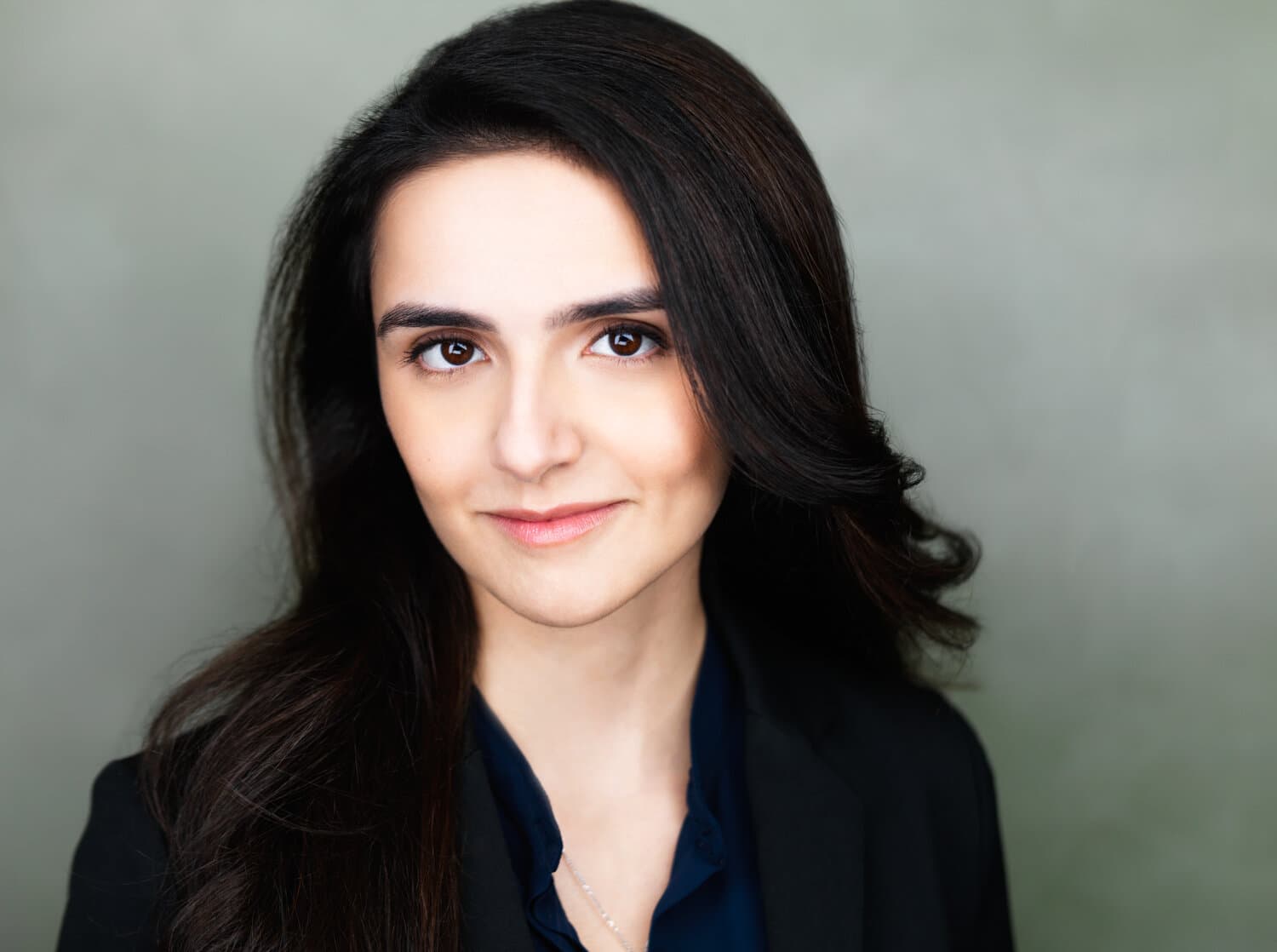
Born and raised in Peru, Luciana Salinas is a freelance Director of Photography and Camera Assistant currently based in Chicago.
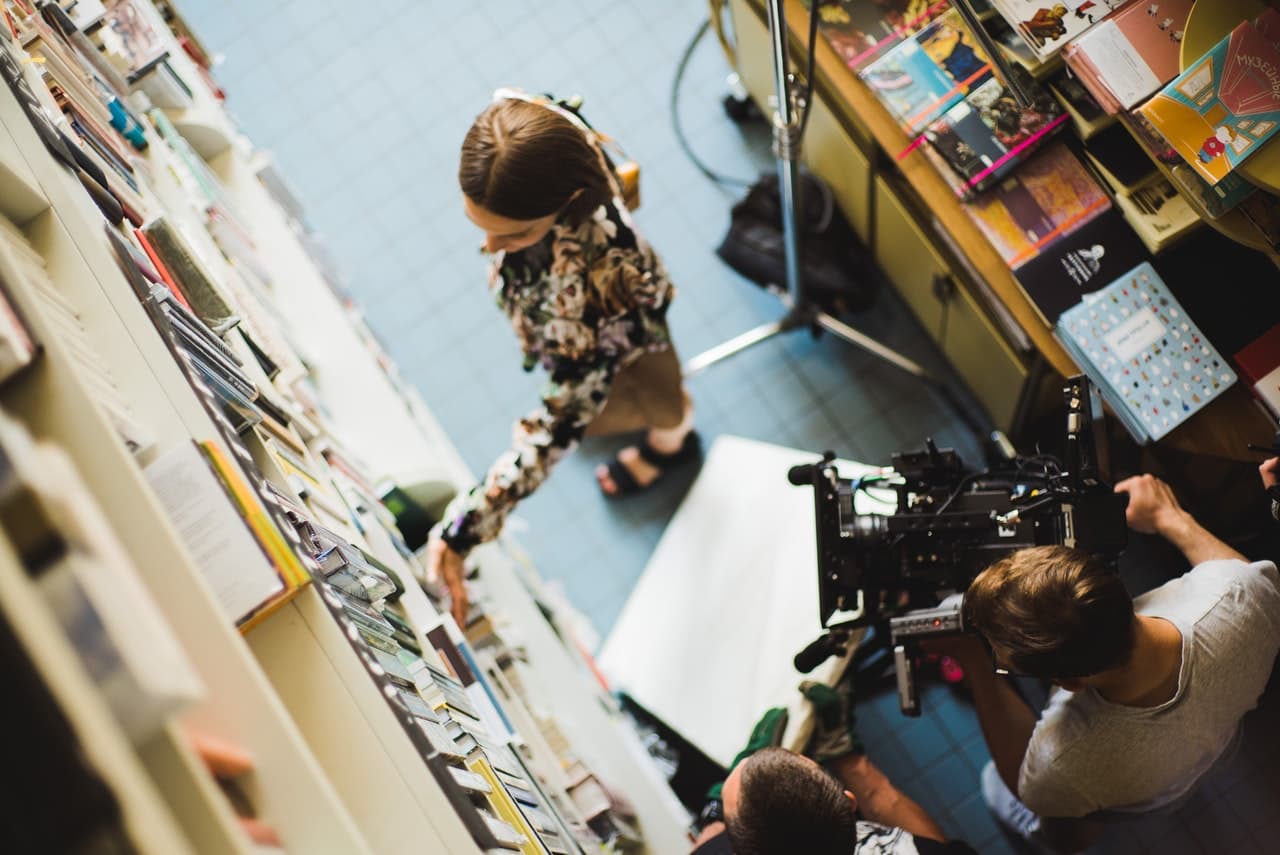
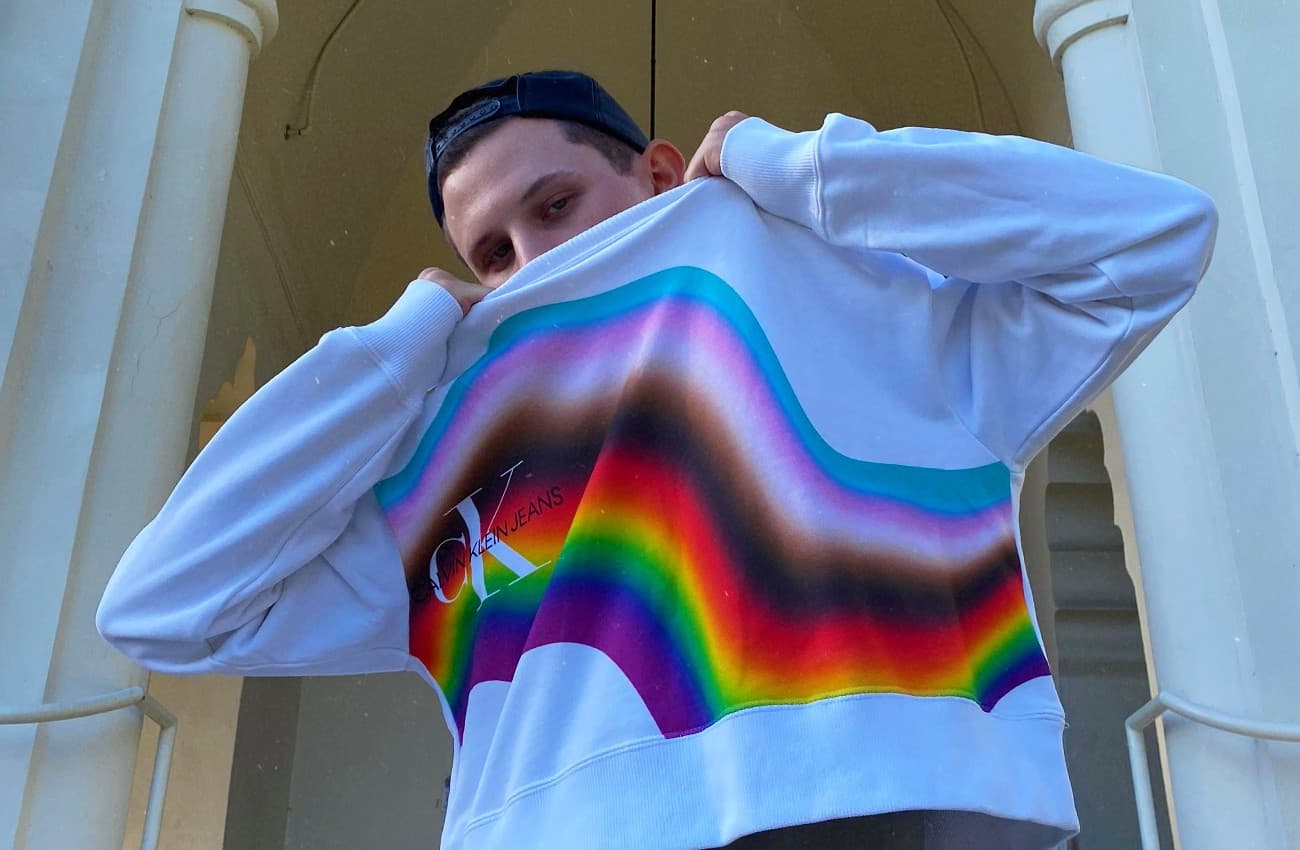
Salinas has worked on features, shorts, commercials, music videos, and even live events. Just some of the brands and organizations she's worked with previously include Conde Nast, Nike, Pitchfork, White Claw, Second City, Facebook, and Converse.
Throughout her career, Salinas has consistently sought collaborations with queer, female, non-binary and POC (person of color) individuals, and her dedication to increased diversity and representation in filmmaking is in fact the focus of today's article.
It's no secret that, for close to a century, Hollywood has been largely dominated by men, specifically white men, especially when it comes to crew members, writers, and executives.
Just taking a glance at recent reports about the on-screen and off-screen demographics of the US entertainment industry makes it clear that, while women and people of color are certainly present and visible in certain portions of the industry, the dominant identity of the average industry pro is still white and male.
Salinas is one filmmaking pro who's trying to change this status quo from the inside out. As we mentioned above, she prioritizes working on projects with individuals belonging to underrepresented groups, and many of her projects also feature on-screen diversity that's sorely needed.
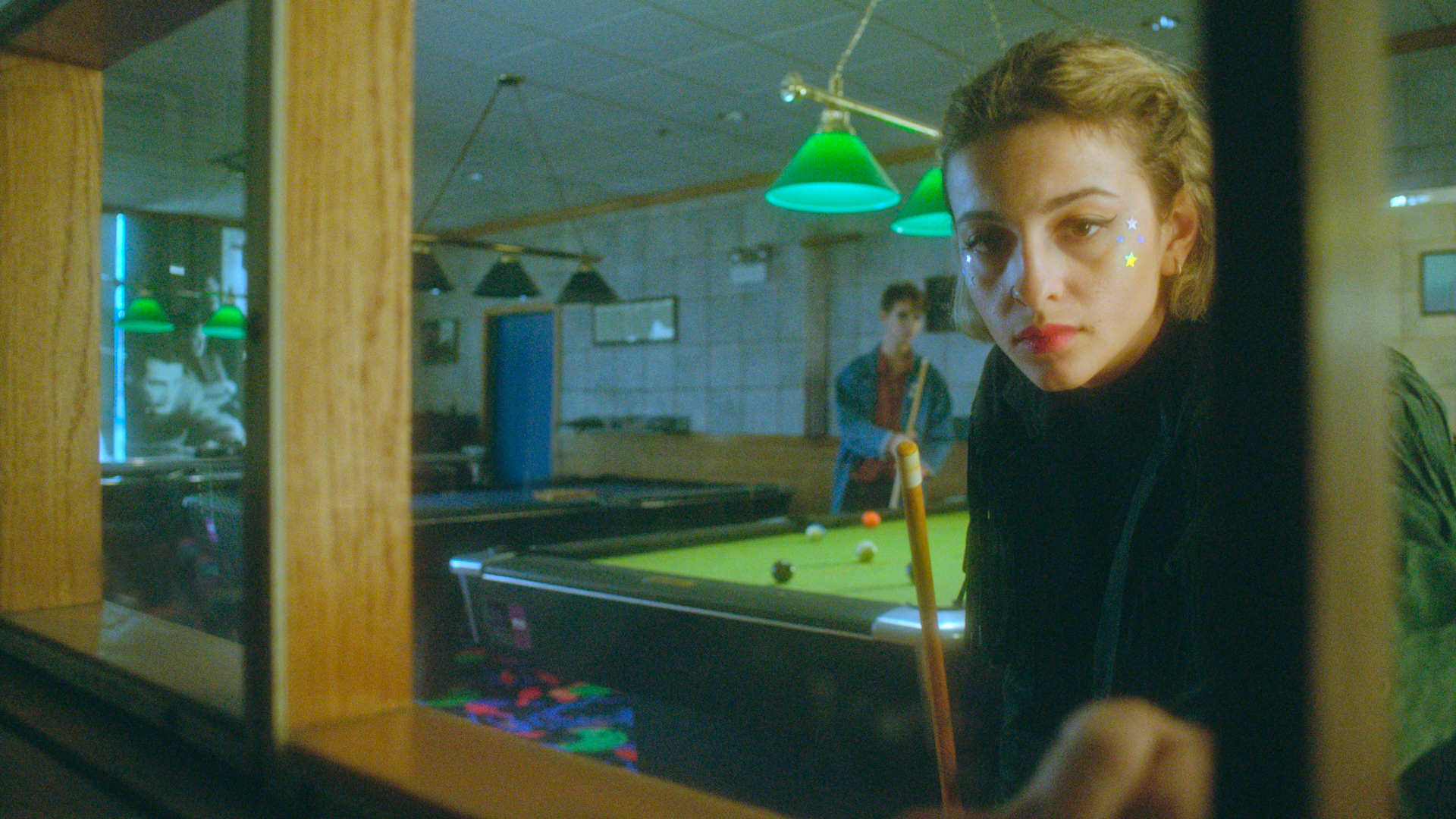
She's currently working on multiple projects and gearing up for a new short film project titled Junction, but thankfully Salinas was able to take some time out to talk with us about diversity, representation, and what it's like trying to break into an industry that's often unkind to women and people of color.
The value of representation
Our readers are probably already familiar with the value and benefits of increasing diversity in entertainment, both on and off the screen, but it's still worth taking the time to reiterate some of the core points here, especially since Salinas was able to articulate these ideas beautifully during our discussion.
Maybe the most important concept of all is visibility. We're not just talking about securing industry jobs for members of underrepresented groups, but also the far-reaching effects of setting a new, more inclusive standard.
Here's Salinas's breakdown of the positive effects of representation.
"The idea that you can see yourself or someone like you represented behind the scenes or on screen ignites within you the conviction that you can also explore a career in that field. More importantly, the ability to contribute to the collective conversation in a society from a different perspective is indispensable to the growth of the industry."
For years now, mainstream media coverage on increased diversity in entertainment has focused on on-screen talent: cast members and extras, especially in big studio movies.
And yes, this type of representation is indeed important, but representation and diversity need to extend through all departments of filmmaking, from writing and producing to crews and marketing.
There has been some progress when it comes to diversity among crews, but specific departments seem to be lagging behind.
Salinas noted that, in particular, female representation in the G&E (grip and electric) departments, which remain largely dominated by men. The stigma here is probably rooted in the idea that women wouldn't be able to keep up in these physically-demanding departments.
But of course this is a clear instance of prejudice, and Salinas hopes to see real progress in this area as soon as possible.
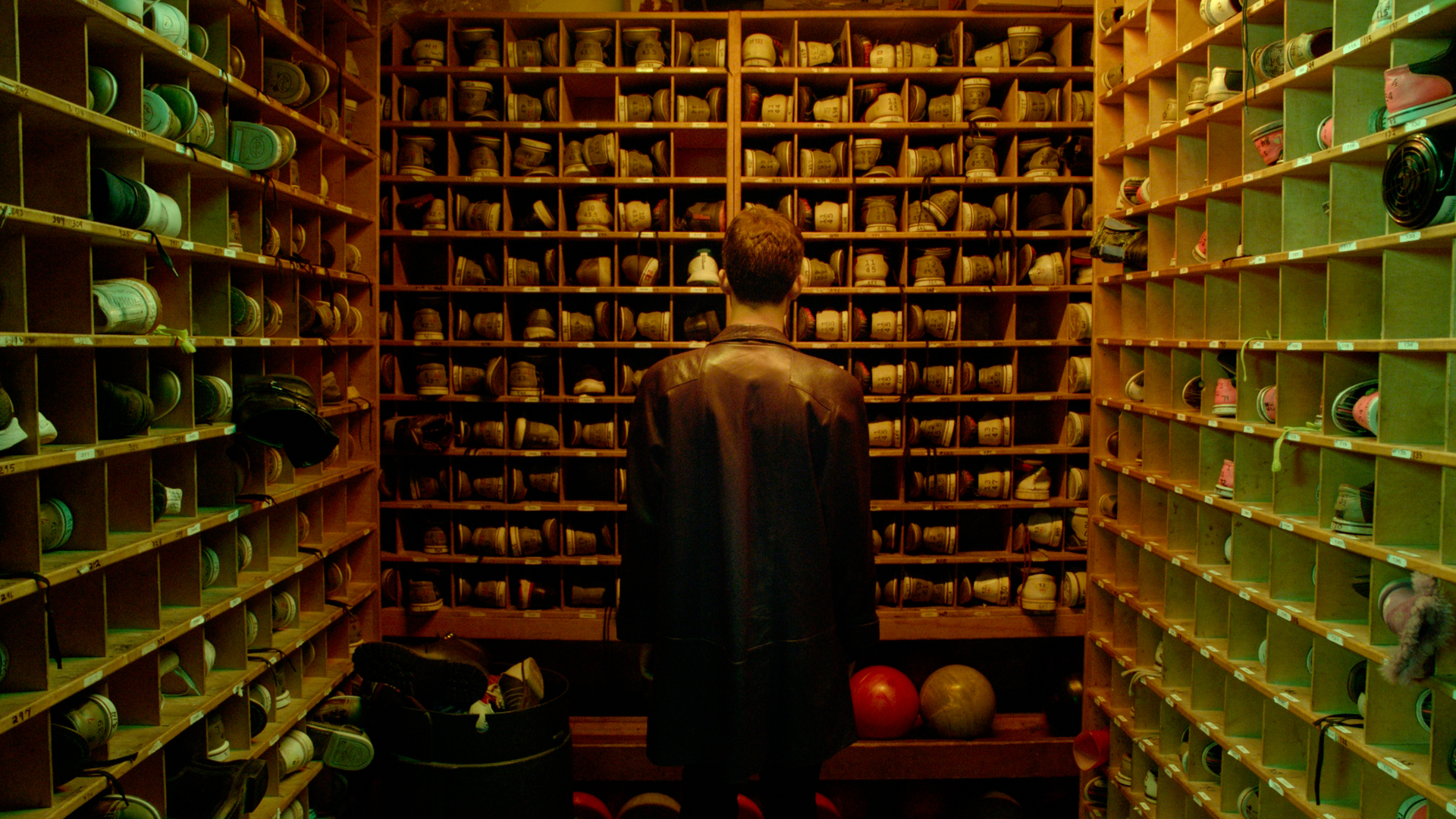
Working harder
A big part of winning more support for diversity and inclusion efforts is overcoming indifference among people who aren't directly impacted by the lack of diversity.
From our view, one of the best ways to convince more people to help however they can is to make those people aware of just how difficult it can be for women and people of color to find success in certain industries- in this case, the entertainment industry specifically.
Salinas definitely had to put up with prejudice because of her personal identity, and it took real dedication to overcome all that discouragement.
"As a woman and a foreigner, I found myself in situations where I had to work harder to prove that I can do the job. I used to think that I needed to be more like a man to have respect and credibility on a film set. But I quickly realized that in order to change the dynamic on film sets, specifically in the camera and lighting departments, I needed to be able to embrace my femininity and create an environment where I was able to earn the respect of my crew."
Embracing her own identity rather than trying to blend in has had positive effects for Salinas, helping to inspire others and creating a cycle of visibility and motivation for others.
For an outsider looking in, it could be easy to see a successful woman working in entertainment and assume they've always been successful, that they followed a similar path to many men in the industry.
But what that person isn't seeing is all the extra work, the external and internal struggle to be recognized as a skilled individual.
This points to yet another benefit of visible and normalized diversity: in the future, women may be held to the same standards rather than being looked down on until they've proven themselves.
It's ultimately about creating a better future, better environments for other individuals to pursue their careers.
Areas for improvement
Asking Salinas about specific areas where the industry can improve its diversity and representation efforts, she explained that while there are many opportunities in this area, there are a few aspects of production and pre-production where she would like to see improvement.
In terms of respecting gender identities, Salinas says that adding crew members' pronouns to call sheets is a simple and easy way to create a space where more people feel comfortable, especially non-binary and trans individuals.
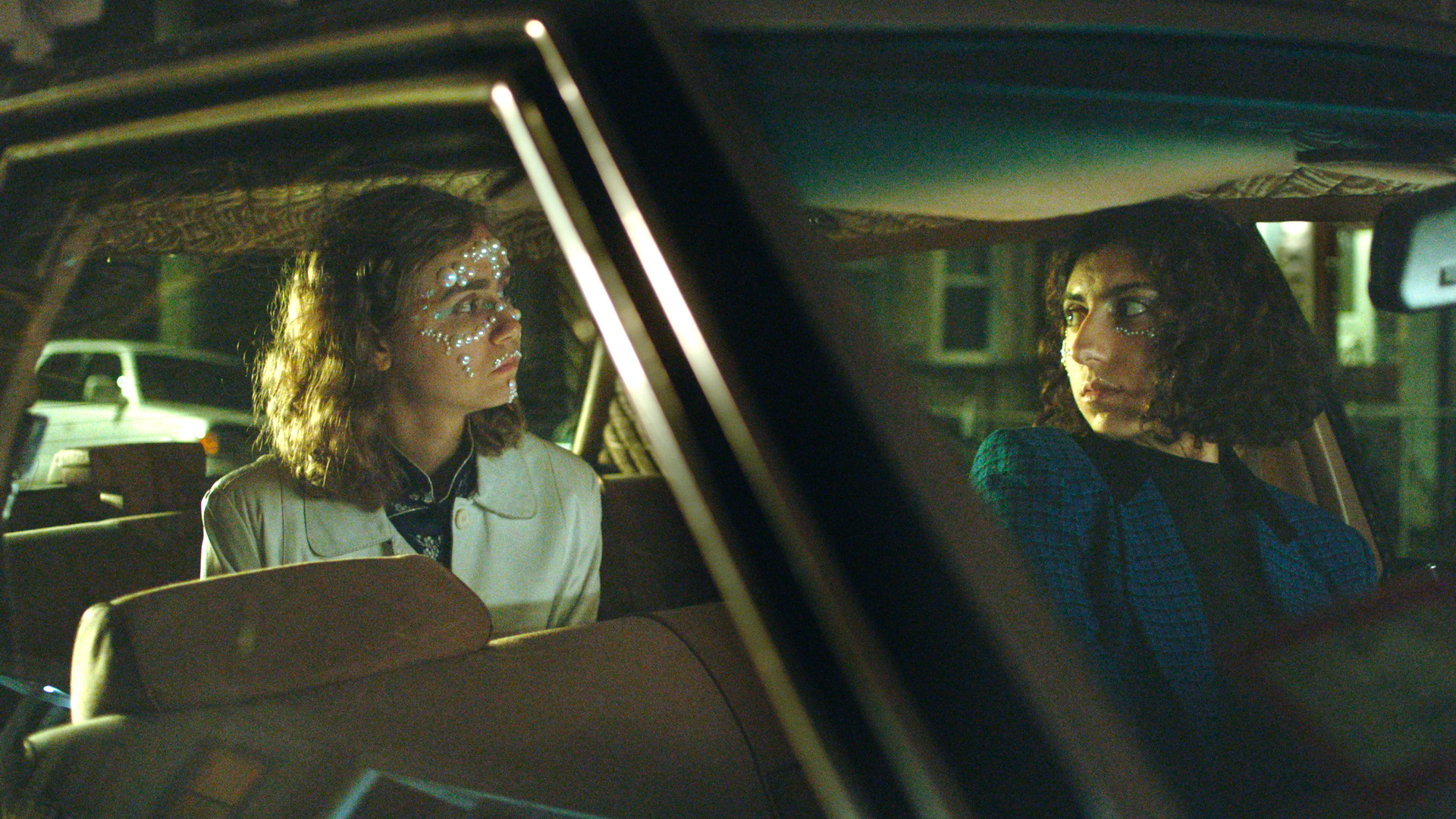
On the creative side, Salinas would like to see more diversity in the writer's rooms.
"More diversity in writers’ rooms will ultimately result in more representation in casting choices as well as more meaningful development for POC characters which will hopefully result in more leading roles for these individuals."
Thankfully, progress is being made. Salinas told us about how she's been able to work with a crew that's largely women and people of color on a sci-fi television pilot and multiple music videos.
For Salinas, this is hugely important, simply giving diverse teams a chance to prove their abilities.
"When people are given the space to shine, they're able to create new opportunities and approach the filmmaking process from a fresh perspective."
Advice for trying to break into the industry
If you happen to be a woman, a person of color, or a member of any underrepresented group who's currently trying to break into the entertainment industry or planning to in the near future, Salinas has some excellent advice specifically for you.
The first point is about staying motivated, despite the challenges along the way.
“Don’t get discouraged. You may encounter people that will make you feel like you know nothing, which can make you question your contributions. Always remember that everyone is learning, even the most experienced filmmakers."
Next, Salinas highly recommends seeking out other people who can support your journey, and vice versa.
"If you find a group of people who inspire you, and collectively you're all able to elevate each other’s work, hold on to these groups and continue these fruitful collaborations.”
Lastly, Salinas encourages industry women to stick to high standards and never stop trying to help others who are still trying to find their way.
"Create a standard for your presence and your work ethic. Also, make sure to advocate for those who could use more opportunities. You never know, they might advocate for you in the future."
Everything we've talked about here today starts at the level of the individual. When more people choose to work toward positive change, that's when progress gets made.
Even if you're not a member of an underrepresented group yourself, you can still do a lot to support increased diversity. Pay attention to moments when you might be giving in to an unconscious bias. Consistently make an effort to act respectfully toward everyone on set, not just the people you already know or the people who look like you.
These aren't difficult steps to take, but they can make a world of difference in an industry that has historically been unkind to marginalized groups.
And finally, we should all take comfort in the knowledge that more progress is being made than ever before. More people are aware of the need for increased diversity, and certain studios and production companies are starting to make this a real priority.
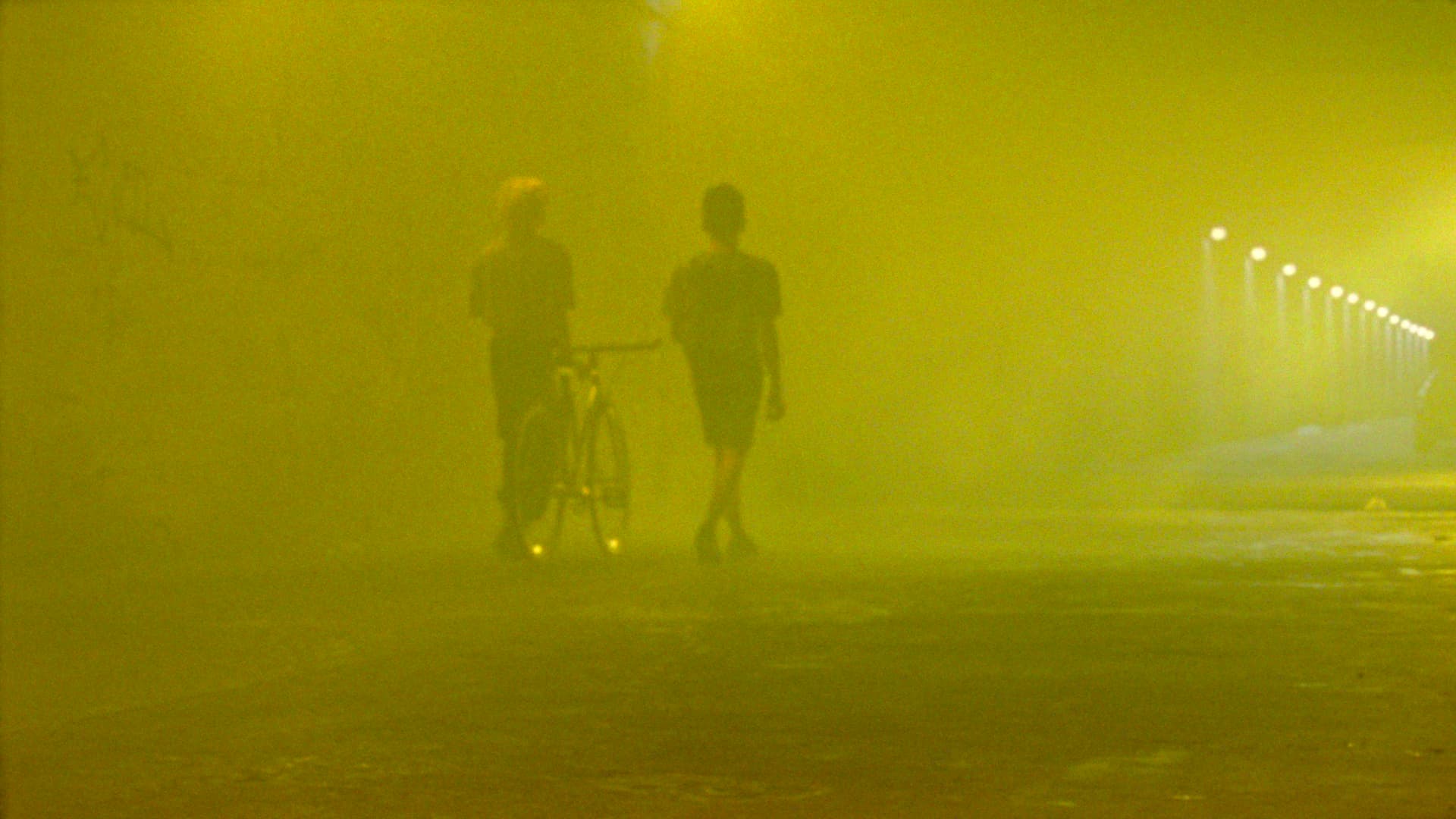
Film stills throughout courtesy of Luciana Salinas.