Digital Media Professional Vishal Menda on LA's Role in the Future of Entertainment
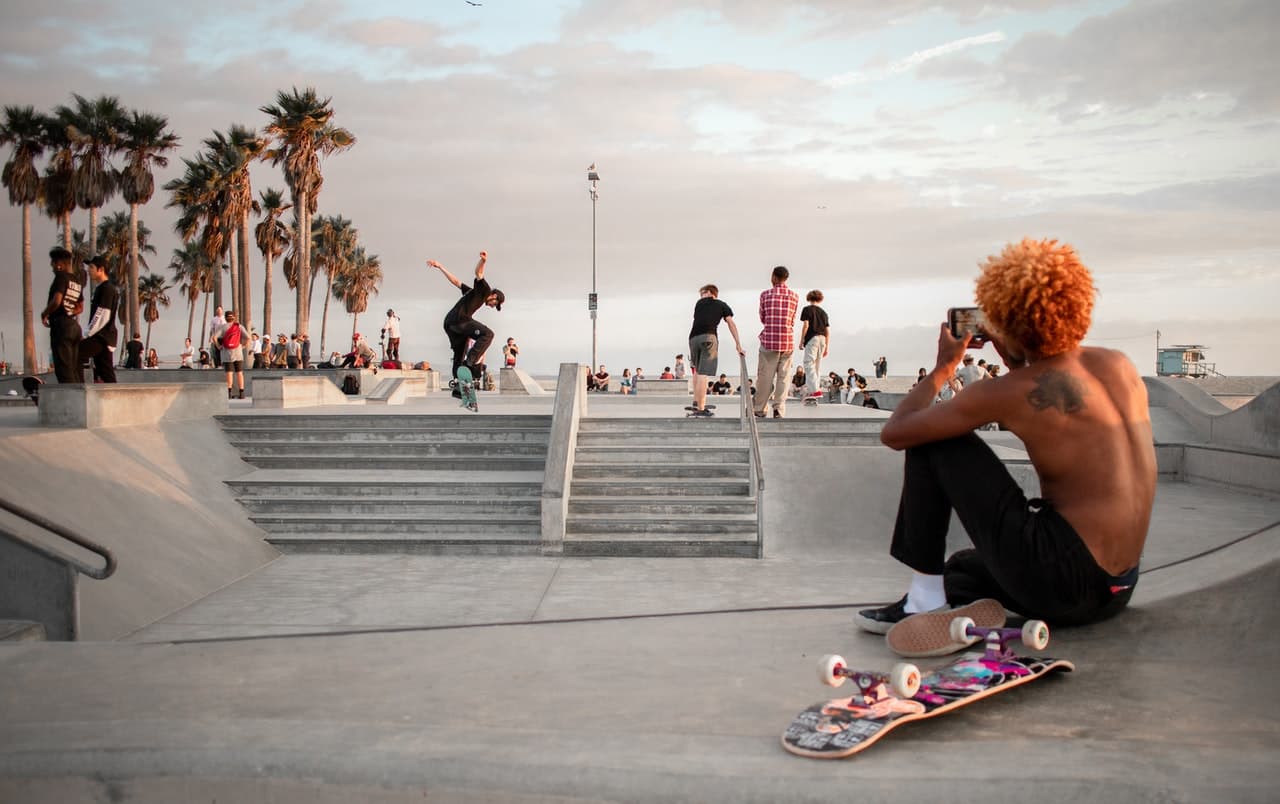
This probably doesn't apply to any of our readers, but if you got your entertainment solely from TV, it would be easy to believe that the media consumption landscape hadn't really changed all that much.
After all, broadcast television, cable, satellite TV- these are all still very active. These are still great ways to watch shows both new and old, as well as movies and documentaries.
But anyone who has ventured online, to any content platforms, streaming services, or social networks, knows that digital media is catching up, and in certain areas, it might even be overtaking traditional media.
At the moment, it's basically impossible to deny just how huge digital entertainment is. Top-level TikTok and YouTube stars accumulate audiences in the millions or even billions, and a comprehensive Twitch data leak (which you definitely shouldn't look at in its original form) seemed to confirm that major streamers have been earning very large monthly payouts.
Regardless of whether the future of entertainment is going to be exclusively digital, it's guaranteed that digital media will continue to have a major presence.
If you want to know more about digital entertainment and LA's connection to this increasingly prominent media segment, Vishal Menda is the person to talk to, so that's exactly what we did.
Vishal Menda of Studio71
Vishal Menda is a content producer and digital media professional who has been working with digital and OTT platforms (over-the-top platforms, i.e. offering media directly to viewers over the internet) for more than eight years.
Throughout his career, Menda has prioritized disruptive tech projects, scripted development, unscripted live production, and innovative digital content distribution and strategy efforts.
As for Menda's current role with Studio71, based here in LA, we'll let him give you the details:
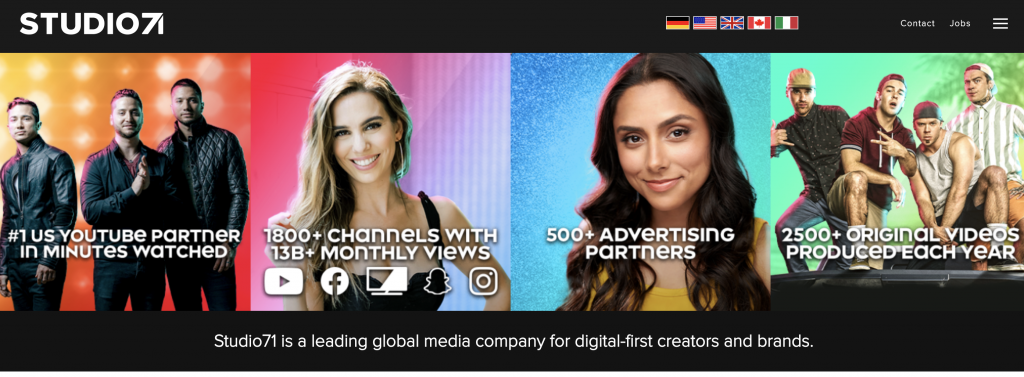
"At Studio71, I work in Business Development and Original Content. What that means is we help YouTube-first content creators make passive income by distributing their work across various social and content platforms. The community-driven creator economy is a niche space, but we are extremely innovative and strategic with our work, and that ensures we can optimize every piece of content to its absolute potential."
An expert in this field, Menda is here to provide some key insights, not only for the present and future of digital media, but also regarding Los Angeles's key role in this segment.
The new wave of digital entertainment
When starting his career, Menda actually changed gears slightly, choosing to pursue work in digital entertainment rather than television.
This choice also inspired his decision to relocate from Boston to Los Angeles in the spring of 2018.
Menda took notice of all the incredible things happening in digital media, but even more importantly, he saw what would soon become a clear shift in the relationship between digital and traditional media.
"Today, mainstream media and entertainment companies are learning from, and trying to emulate, the likes of Meta, YouTube, TikTok, and Twitch. It’s quite fascinating. Every day seems like a new challenge, I enjoy the adrenaline rush of it all, and in a special sort of way, LA brings it all together in a creative way."
LA's active and enthusiastic involvement with this new wave of entertainment is great news. More than just being the longtime home of major-studio television and film production, the city consistently attracts talented performers, crew members, and business people from around the world.
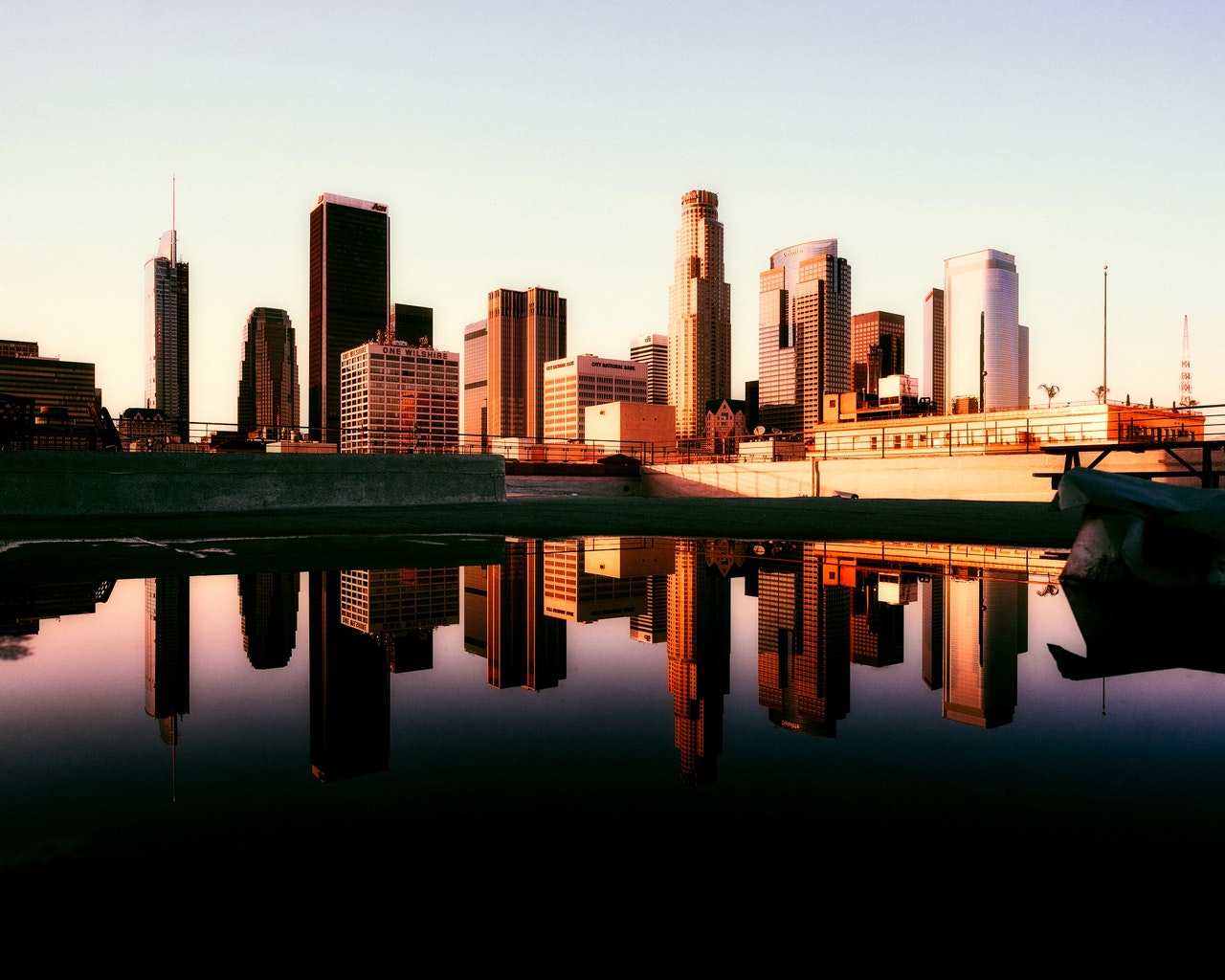
These professionals look for opportunities to use their craft, and in recent years, many production companies and individual creators right here in LA have realized that digital media offers any number of substantial opportunities.
Over time, the best and the brightest rise to the top, and from there, their work can take many different forms, and one of the biggest format differences these days is scripted vs. unscripted content.
Scripted vs. unscripted
The major difference between scripted and unscripted content is pretty self-explanatory: one type has a script prepared ahead of time, and the other doesn't.
But beyond that, there are many other differences at play here, subtler differences that can make for very different production processes and finished products.
Knowing and considering those differences is important for anyone hoping to be successful in digital entertainment.
Menda:
"I’ve been lucky enough to work with both scripted and unscripted content, and they do have their pros and cons individually, but this is a subjective choice, and it depends on the format and the type of content."
What are the baseline advantages and disadvantages of scripted and unscripted content? Let's find out.
Scripted
The core advantage of scripted content is also one of its biggest potential disadvantages: the structure itself. Here's Menda's take on it.
"The biggest benefit of scripted content is that it gives you a semblance of structure. A show flow or running order always puts you back on track. Now, if done incorrectly, transitions and conversations could seem forced, but that’s a minor headache given scripted content gives you the beginning, middle, and end your story craves."
When scripted content is pulled off perfectly, it can seem effortless to the viewer, but it takes a lot of skill to give that impression.
In reality, it takes great writers to strike the balance between structure and flow, and it takes excellent performers to make scripted lines sound natural.
But now it's time to flip the script and look at unscripted content.
Unscripted
Unscripted content represents a massive portion of digital entertainment, especially on platforms like TikTok, YouTube, and Twitch.
Twitch, of course, is all about streaming, and the laid-back atmosphere of so many streams is one of the biggest sources of appeal for viewers. Typically, streams don't demand the kind of rapt, unflinching attention that scripted content sometimes can.
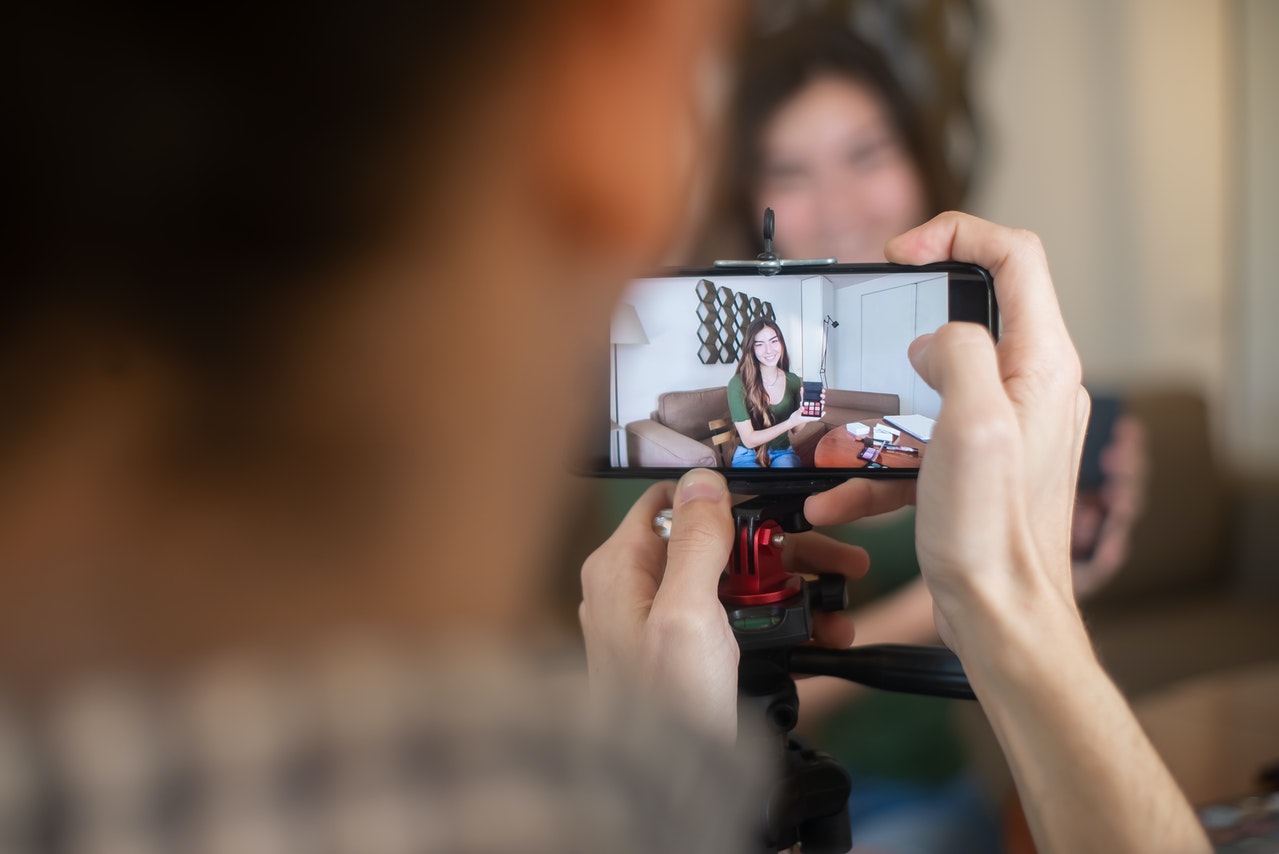
"With unscripted, some of the best YouTubers, live-streamers, and podcasters lean around a subject matter and let the content and guests guide them in a certain direction. The realism and the silly tangents of this lighter style of content have really caught on today."
Viewers can also feel like they're interacting more directly with streamers, which allows for a kind of connection. Even when listening to a pre-recorded podcast, a conversational feel can give listeners a sense of involvement.
But unscripted formats are double-edged, too. Menda points out the major downside here:
"Of course, that lack of direction can also lead to a lack of audience engagement. It’s a fine balance, and you can tell if a show or material is good if it has the right mix."
Even more interesting is when creators and shows manage to combine scripted and unscripted content, sometimes within the same piece.
In this area, Menda lauded Marques Brownlee and James Hoffman for pulling this off well, but he also mentioned a notable show that appears, of all places, on television.
"The GOAT in this conversation is still a sort of traditional show: Inside the NBA on TNT. For a basketball show, they rarely talk basketball, but their ratings are always off the charts! In the end, I believe the key to creating any form of content is that you should be happy watching or listening to yourself. If you find yourself wishing you said something differently or if you cringe, it’s time to rethink your play."
This lends more credence to the idea that even traditional media is taking notes from digital media in a big way, and one reason why digital media is pointing the way forward might be that audience connection Menda just talked about.
It all comes down to knowing what the audience likes, what they respond to, and what they don't. It's very results-driven, and digital content doesn't have the same kind of separation from its audience that film and television do.
Moving into the future
Last of all, but not least, is a look into the crystal ball: what will the future of entertainment, specifically digital entertainment actually be? What's a trend and what's here to stay? How will digital media influence traditional media and vice versa?
Despite any number of novel media formats and approaches, Menda feels that creators will remain in the limelight and that traditional media will continue to backslide.
"Obviously, NFTs have been big this past year, and then there's the Metaverse, too, but I’m still riding with the creator economy. I believe mainstream media and entertainment will lose more ground to the likes of YouTube and TikTok."
Menda also notes that these major content platforms are actively supporting their creators and making it possible for them to create content as a career and not just as a side gig.
"Loads of these platforms have ensured that it is a viable option for people to make a livelihood from, and that has just driven users out of their comfort zone a little, helping them express themselves and their opinions."
As for whether LA will be a part of all this, Menda definitely thinks so.
"LA will certainly continue to play a crucial role. Not only is it the creative hub, but there are tons of creator houses popping up across the city, and there's really no lack of talent here."