How to Become a Movie Writer and Director (One Step at a Time)
If you're wondering how to become a movie writer and director, then you're probably overwhelmed at the idea of starting from scratch.
After all, the entertainment industry is notoriously competitive, and screenwriting and directing jobs are some of the most sought-after roles on projects big and small.
So here's the bad news: becoming a writer-director isn't going to be easy. Even if you decide to write and direct small-budget indie movies, you'll still be signing up for a massive amount of work.
But the good news is that writing and directing will give you a large amount of creative control over the projects you work on, and if this has been your goal for a while, then chances are you'll be thrilled to be directly involved in the making of movies.
If you still feel motivated to chase your filmmaking dream, then we really hope that you'll take our tips to heart and put in the work to become the best writer-director you can be.
Learn all you can
Learning is essential for any successful career, but filmmaking can be especially demanding when it comes to understanding how everything works.
Also, writing and directing, though they both contribute to the same end result, are completely different disciplines.
The mechanics of screenwriting are detailed and complex, to the point where countless books have been written on the subject. Directing, on the other hand, depends heavily on both technical and artistic understandings of the filmmaking process and the desired outcome.
Regardless of your age, you're sure to find various screenwriting and filmmaking classes being offered either online or in-person (go for the in-person ones if you can).
It's your choice whether to pursue a four-year film degree or simply take some classes on nights and weekends, but no matter how you do it, learning as much as possible is going to give you a more accurate idea of what it takes to go pro in the film industry and the incredible work that's been done by some of the greatest filmmakers in history.

In fact, watching tons and tons of movies is another important part of the learning process, but we have a feeling you've been doing that already. If anything, try to branch out and watch movies from filmmakers you've never heard of before.
Exposing yourself to different ways of doing things can expand your own creative palette, and by the way, learning isn't something you stop doing once you've found success. You will continue to learn throughout your career, and that's good news for anyone who's hoping to make an impact with their filmmaking and stay relevant in an ever-changing industry.
Get hands-on experience
So you're actively learning about filmmaking and screenwriting. What's next? Well, it's time to actually try your hand at writing and making some movies.
If you're an aspiring filmmaker without any credits to your name, then you won't be going straight to work on major studio projects.
However, you can definitely work on some of your own projects with friends or even completely solo.
Screenwriting is more flexible in terms of practice since you don't need anyone else around to put the work in.
But as for getting some experience with directing, you'll need some kind of project and a bare-bones cast and crew to actually, you know, direct.
If you're in film school or even just have some friends who are interested in filmmaking, then it's definitely worth the effort to work on small-scale projects together, even if you're not using the best equipment.

For someone who already has a bit of experience in professional production, on the other hand, any experience is good experience to have.
If you've been working as a PA or in the safety department, you won't be able to just jump to directing, but even just observing professional sets can be enormously helpful for the director-in-training.
Depending on where you work, you might even be able to request work in various departments to get a better sense of how they work. Crews respect a director who understands the tiny details, and this is exactly the time when you can acquaint yourself with those details.
Start networking now
Moving away from the technical side for a moment, we'd like to talk about the importance of networking,
We know, we know, you've probably heard from a million people by now just how important it is to network with other entertainment professionals, and it's 100% true.
Whether we're talking about indie filmmaking or major studio projects, filmmaking communities tend to be fairly insular. In other words, people typically like working with people they already know. Aside from comfort, it's also about knowing that a particular person can do their job well.
We already know that you'll be working on your craft with every single project, so now it's time to devote some effort to the social side of things.
When you work with someone on a project, try to be friendly and professional towards them. You might even start filling up your contacts with potential collaborators.
The exception, of course, is if you're working with someone who's actively rude or inappropriate. That's not ok. But as for everyone else, it doesn't hurt to know their name and what they're good at.
In the process, you'll be building your own reputation. When someone needs help on another project, they'll think of you.
These simple steps can make it so much easier to find work and become part of a wider filmmaking community.
Commit to your craft, featuring Wenti Wu
Probably one of the most challenging parts of pursuing a career as a writer-director is just staying the course and putting in the work.
As we mentioned earlier, this is a process that's going to take years, and it can be easy to feel impatient.
But as writer-director-editor Wenti Wu told us, there's a huge amount of value in staying persistent and committed.

Above: Writer, director, and editor Wenti Wu.
"Keep doing it. There's a difference between interests and a profession. The professionals shine by doing their work when they encounter difficulties in their lives. It's tough to ignore the negative emotions and struggle, but those emotions can lead to progress and positivity in the long-term."
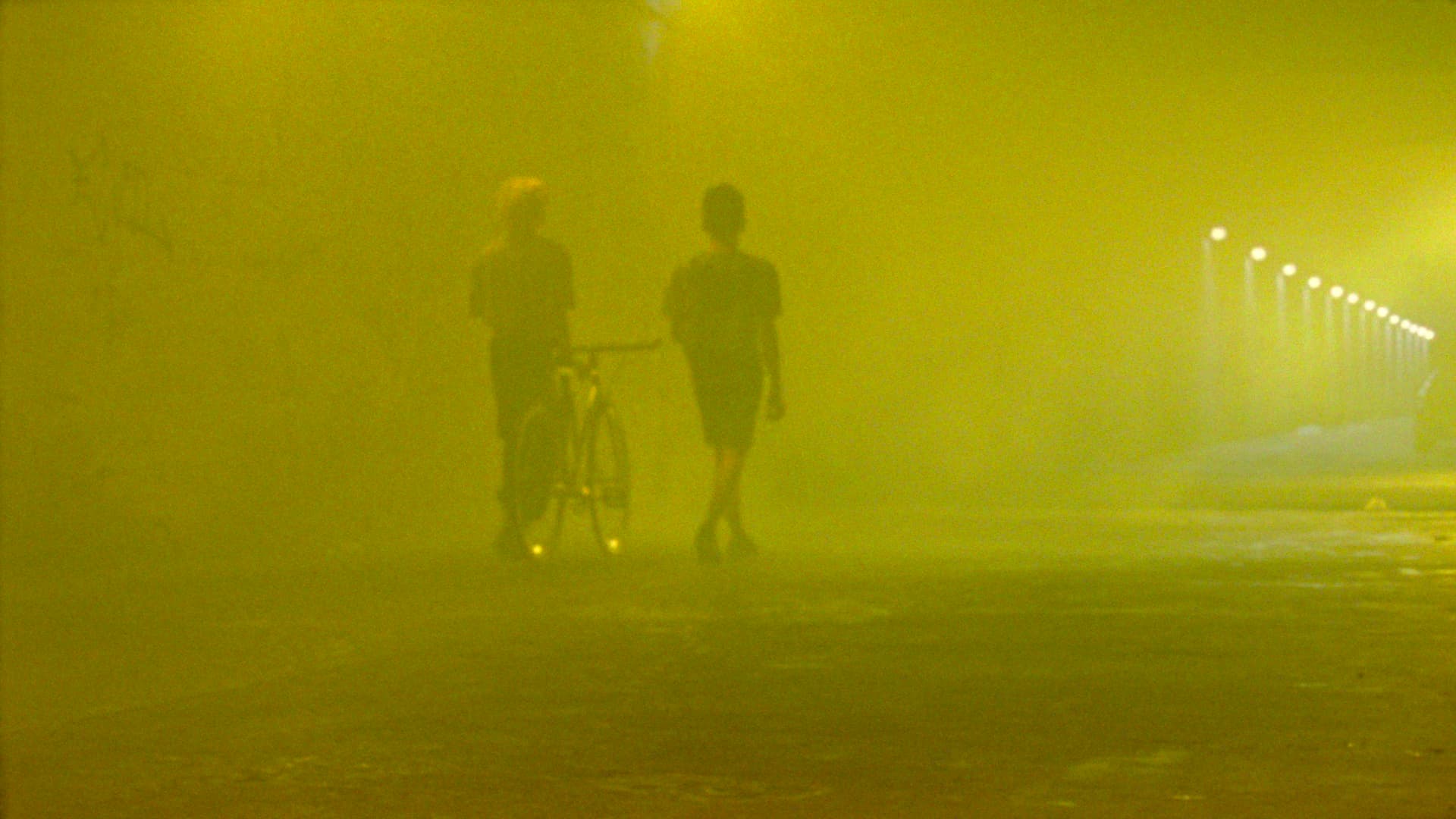
Wu has created a number of narrative short films during her career so far, including 2016's Bloodmoon, which was selected for numerous international film festivals and was awarded Best Student Film at the 2016 Around International Film Festival and the TMFF Cinematography of the Month Award.
A big part of Wu's success has come from her background and expertise in various aspects of production.
"Working in multiple positions gives me chances to work with different filmmakers, which inspires me more than working by myself. It helps me to understand the struggles and issues present in different positions."
Every role and every project is an opportunity to come to a more detailed understanding of filmmaking, and that understanding will certainly pay off when you find yourself in the big chair.
Try to see every single project as a stepping stone to the career you really want. That will help you stay motivated and committed, even when things get tough.
Ask for feedback
The last tip we'd like to share is to ask for feedback on your work whenever possible, especially when it comes to work that you wrote and/or directed.
For one thing, people respect someone who's open to suggestions rather than closing themselves off to any kind of input or criticism.
Screenwriters and directors need to have thick skin, too. Before, during, and after release, there are always going to be people putting in their two cents, and writer-directors need to be confident in their vision while also taking these opinions into account.
The work you create is a combination of everything we've been talking about here: your education, your own artistic voice, and your experiences working on other films.
If you can stay passionate about filmmaking and listen to others, then you'll have a much better chance of becoming the writer-director you've always wanted to be.